
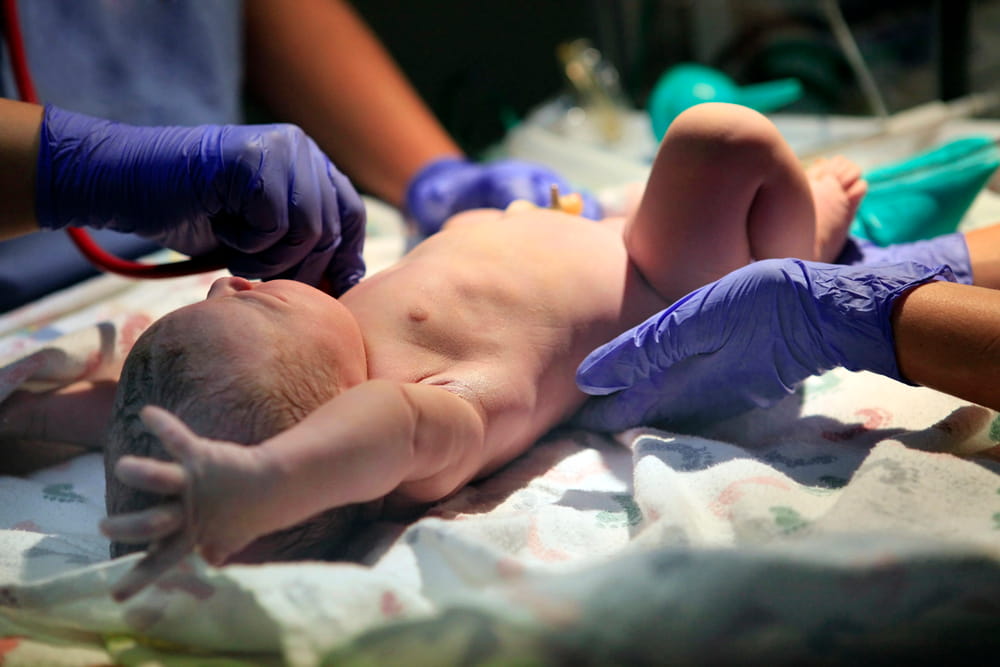
Not all birth injuries result from negligence. Some complications arise despite proper medical care. But a significant number of birth injuries that occur in Orlando hospitals and delivery rooms are the direct result of medical errors that proper training, monitoring, and decision-making would have prevented. Understanding how medical negligence during labor and delivery causes birth injuries, and what standards govern the care that should have been provided, is the foundation of any Florida birth injury claim.
The Standard of Care in Florida Obstetric Cases
Medical negligence is measured against the standard of care, which is what a competent healthcare provider in the same specialty, with the same training and resources, would have done in the same circumstances. In obstetrics, that standard encompasses fetal monitoring protocols, recognition of warning signs during labor, appropriate responses to complications, and the timing and manner of delivery decisions.
When a Florida court evaluates an Orlando birth injury case, it asks whether the provider’s conduct departed from what a reasonable obstetrician, labor and delivery nurse, or hospital would have done in the same situation. That determination requires expert medical testimony from physicians who practice in the same specialty and can explain both what the standard required and how the defendant’s conduct fell short.
Common Forms of Negligence in Florida Labor and Delivery
Medical negligence during labor and delivery in Orlando cases most commonly involves:
- Failure to recognize or respond appropriately to fetal distress signals on electronic fetal monitoring strips, including late decelerations, prolonged bradycardia, or sinusoidal patterns indicating oxygen deprivation
- Delayed decision to perform a cesarean section when fetal monitoring indicates deteriorating fetal condition and vaginal delivery poses unacceptable risk
- Improper use of labor-inducing medications including oxytocin, which can cause hyperstimulation of the uterus and reduce blood flow to the fetus when not titrated properly
- Mismanagement of shoulder dystocia, where the baby’s shoulder becomes impacted behind the pubic bone after head delivery and requires specific obstetric maneuvers performed in the correct sequence
- Improper use of vacuum extractors or forceps that applies excessive traction and causes brachial plexus nerve damage, skull fractures, or intracranial bleeding
- Failure to recognize or address umbilical cord prolapse or compression that deprives the fetus of oxygen during delivery
An Orlando birth injury lawyer and their medical experts analyze fetal monitoring strips, delivery notes, and nursing records to identify which of these patterns is present and how it caused the documented harm.
How Oxygen Deprivation During Delivery Causes Permanent Brain Injury
Among the most serious birth injury outcomes is hypoxic-ischemic encephalopathy, brain damage caused by oxygen deprivation during or around the time of delivery. When fetal monitoring shows signs of distress and a timely cesarean or other intervention is not performed, the fetus can sustain irreversible neurological damage that manifests as cerebral palsy, cognitive impairment, or other developmental disabilities.
Needle & Ellenberg, P.A. is a Florida medical malpractice firm with more than 50 years of combined experience. Andrew Ellenberg concentrates his practice in obstetrical malpractice and birth-related neurological injuries. The firm has recovered hundreds of millions of dollars for clients, including multiple eight-figure results in birth injury matters. Free consultations are available.
Evaluating a Potential Orlando Birth Injury Case
If your child sustained injuries during labor or delivery in Orlando and you believe the care provided fell below what it should have been, speaking with an Orlando birth injury lawyer who works with medical experts to evaluate delivery records and fetal monitoring data is the most direct way to understand whether a claim exists and what it may be worth.