
“They Look Fine”… Until They Don’t
A Plain-English Guide to Traumatic Brain Injury (TBI) in Florida
The scary part about brain injuries
A brain injury can change everything—without changing how someone looks. That’s what makes TBIs so dangerous in real life. Families often say:
- “He’s alive, but he’s not the same person.”
- “She can’t focus or remember things anymore.”
- “They get angry over nothing.”
- “They’re exhausted all the time.”
A TBI is often an invisible injury that shows up as lost attention, emotional swings, slowed thinking, and reduced stamina. It can destroy work capacity, strain relationships, and turn daily tasks into a grind. If you have suffered a brain injury, contact Needle & Ellenberg, P.A. today. Our Miami, FL TBI lawyer is ready to help you.
What a TBI is (without the medical jargon)
A traumatic brain injury (TBI) is any injury that disrupts how the brain works after trauma.
Think of it like this:
- Your skull is hard.
- Your brain is soft.
- A crash, fall, or blow can make the brain move, twist, or slam inside the skull.
You don’t have to crack your head open to have a brain injury. Even a “whiplash” mechanism can do it.
Concussion vs. “serious” brain injury: why “mild” can ruin your life
A concussion is usually described as a “mild TBI,” but that word “mild” is misleading. It refers to the initial classification—not the long-term impact.
Many concussions improve. Some don’t. Persistent symptoms can include headaches, dizziness, brain fog, sleep disruption, anxiety, depression, irritability, and difficulty returning to work or school. Major medical sources recognize these symptom patterns after TBI.
More severe TBIs can include bleeding, swelling, or structural damage—sometimes requiring ICU care, rehab, and long-term assistance. The CDC notes that moderate and severe TBI can cause long-term or lifelong problems.
The most common ways TBIs happen in Florida
In Miami/Ft. Lauderdale, Orlando, Tampa Bay, and surrounding communities, we routinely see TBIs caused by:
- Car and truck crashes (rear-end, T-bone, high-speed)
- Motorcycle and bicycle collisions
- Pedestrian strikes
- Slip/trip-and-falls (wet floors, poor lighting, broken stairs)
- Assaults and negligent security (bars, parking lots, apartment complexes)
- Sports/recreational impacts (including youth sports)
Different cause = different proof. A fall case often comes down to video, the condition of the walkway/stairs, and prior complaints. A crash case often comes down to mechanics, forces, and symptom timing.
Symptoms that families notice first
TBIs often show up in “weird” ways that people don’t connect to a brain injury.
Physical
- headaches, dizziness, nausea
- balance problems
- light or noise sensitivity
- vision changes
- sleep changes (insomnia or sleeping too much)
Thinking/Memory
- brain fog
- slower thinking
- forgetting conversations
- struggling with multitasking
- getting overwhelmed fast
Mood/Personality
- irritability
- anxiety or panic
- depression
- emotional outbursts
- “they’re just different now”
This is why brain injury cases get dismissed: the injury isn’t always dramatic on the outside. But the functional loss is real.
Red flags: when to seek urgent care
If symptoms are worsening—or there’s any concern about bleeding/swelling—get urgent medical evaluation. Red flags include:
- worsening headache
- repeated vomiting
- increasing confusion
- seizures
- weakness/numbness
- severe drowsiness or inability to awaken
(These are general safety warnings; a clinician should assess.)
Why people get worse later (the “second hit”)
Sometimes the initial trauma is only part of the damage. People can worsen because of:
- delayed bleeding
- swelling
- seizures
- oxygen problems
- blood pressure problems
- missed or delayed neurological evaluation
That’s why documentation matters: what symptoms started when, and what was done about them.
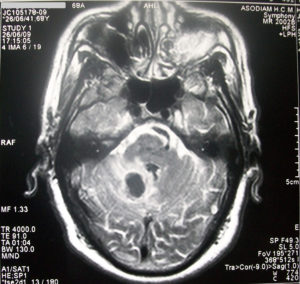
Tests that matter (CT, MRI, neuro testing)
A normal CT doesn’t always mean “no brain injury.” It may mean “no large bleed visible on CT right now.”
Common tools include:
- CT head (often to rule out acute bleeding)
- MRI (sometimes detects findings CT misses)
- Neurological exams (strength, speech, orientation)
- Neuropsychological testing (memory, attention, processing speed)
- Vestibular/vision evaluation for dizziness and balance
What recovery actually looks like
Recovery is rarely a straight line. People may improve, plateau, then struggle with “hidden” problems:
- mental fatigue
- inability to tolerate noise/light
- sleep disruption
- emotional dysregulation
- reduced work stamina
Common supports:
- vestibular therapy
- cognitive rehab
- occupational therapy
- behavioral health support for anxiety/depression after trauma
Long-term effects: work, mood, relationships, independence
A serious TBI can reduce:
- work capacity
- driving safety
- parenting capacity
- social functioning
- emotional stability
Families often become caregivers. Even in “milder” TBIs, the inability to function like before can be devastating.
Kids and seniors: two high-risk groups
Kids may not describe symptoms well; you see it in behavior and school decline.
Seniors are vulnerable to severe consequences from falls—and blood thinners can increase bleeding risk.
How brain injury cases get proven (and how insurers try to deny them)
Insurers love to say:
- “No MRI finding.”
- “They had anxiety already.”
- “They went back to work, so they’re fine.”
A real TBI case is proven with:
- a clear event (crash/fall/assault)
- early symptoms (documented)
- consistent medical care and testing
- functional loss (work, school, life)
- expert interpretation when needed
What compensation can cover
Depending on severity:
- medical and rehab costs
- future care needs
- lost income and reduced earning capacity
- pain and suffering
- loss of enjoyment of life
- household services and caregiver support
What to do right now
- Get evaluated and follow up if symptoms persist
- Keep a short symptom journal (sleep, headaches, memory, mood)
- Preserve evidence (photos, video locations, witnesses)
- Don’t give recorded insurance statements without advice
FAQ
Can a concussion be a “real case”? Yes—if symptoms persist and function drops.
Why do TBIs get disputed? Because symptoms are often invisible and require careful documentation and testing.
How long do I have? Deadlines vary. Don’t wait to get specific advice.
Glossary (TBI)
- Concussion: A brain injury that disrupts function, often without visible bleeding.
- Brain fog: Slowed thinking/processing that makes life feel harder.
- Neuropsych testing: “Brain performance” testing for memory, attention, speed.
- Diffuse axonal injury: Shearing injury from violent motion (twisting/whipping).
- Cognitive rehab: Therapy to rebuild thinking skills and coping strategies.
- Vestibular therapy: Treatment for dizziness/balance problems after head injury.
If you have suffered a brain injury, contact Needle & Ellenberg, P.A. today.